Megha Sinha, PGPX 2019 – 2020
I joined the PGPX programme at IIM Ahmedabad after nearly ten years at Accenture.
During that decade, I had worked across multiple technical roles, engaged directly with clients, and led technical teams across three geographies—India, Argentina, and the Philippines. The experience had given me strong technical depth, execution discipline, and the confidence to lead in complex global delivery environments.
Yet I had reached a point where the next stage of growth required more than technical expertise. I wanted to move from leading within a domain to shaping a business.
I needed to understand markets, strategy, finance, customers, and organisations with the same depth with which I understood technology. I needed to widen my field of vision.
The PGPX programme gave me that breadth. The year at IIMA was rigorous, fast-paced and deeply immersive. Finance, strategy, marketing, operations and organisational behaviour were not experienced as isolated subjects. Their value emerged in the way they came together. Through the case method, we repeatedly worked with incomplete information, competing priorities and decisions for which there was no perfectly correct answer.
For an experienced professional, this can be both validating and uncomfortable. Experience develops judgment, but it can also create fixed patterns of thinking.
PGPX required me to challenge those patterns, examine familiar problems through unfamiliar lenses, and understand how the same decision could affect customers, employees, shareholders, and the wider organisation differently.
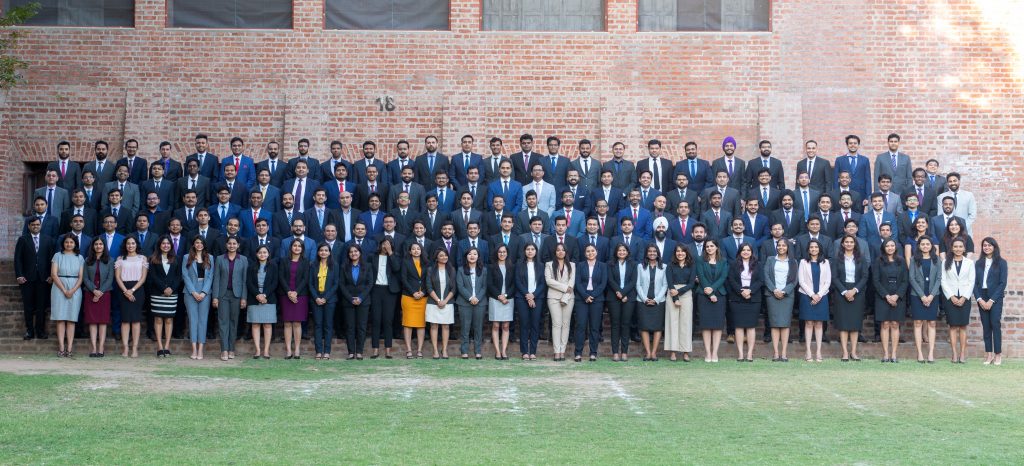
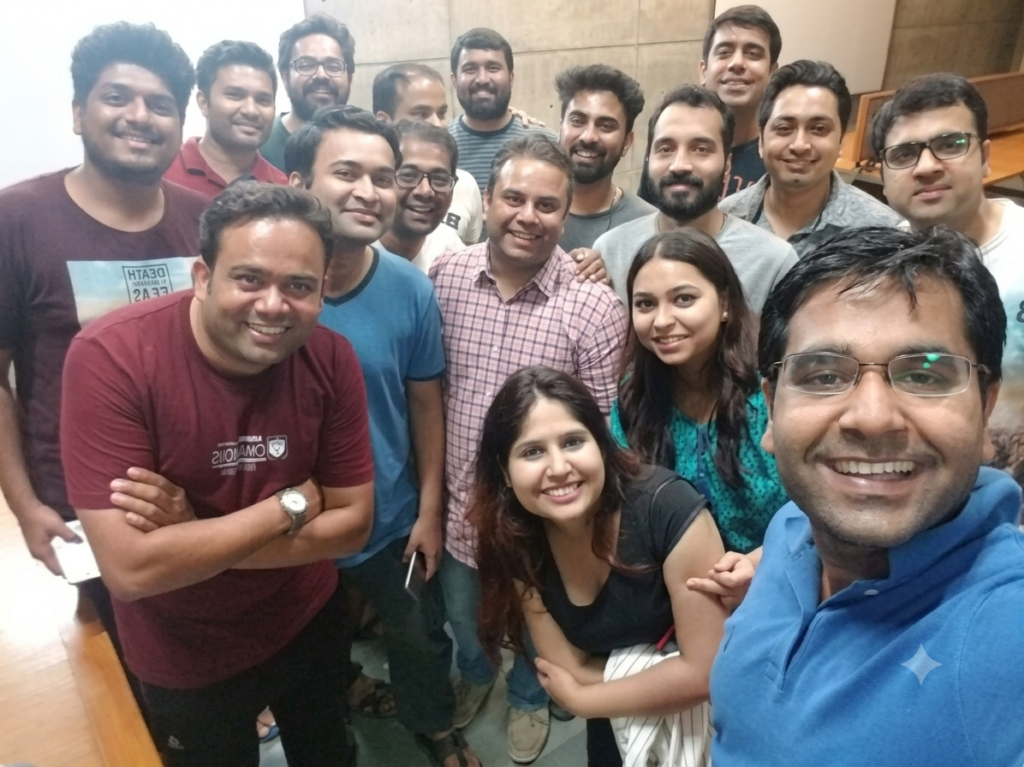
The diversity of the cohort made this learning richer. My classmates came from different industries, functions, geographies, and professional contexts. Every classroom discussion carried the accumulated experience of the room. I learned that leadership is not about having the quickest answer. It is about asking better questions, integrating different perspectives, and creating clarity amid ambiguity. My syndi group became far more than a study group; they were my closest support system through the intensity of the programme, and IIMA would not have been the same without them. The friendships we formed have endured well beyond campus, and I continue to carry that bond with me even today. The International Immersion Programme at ESCP Europe in Paris further expanded this perspective, placing us in an unfamiliar economic and cultural environment and encouraging us to examine business through a global lens. The experience strengthened my ability to understand markets in their broader context and to work effectively across cultures, capabilities that became increasingly relevant as my career moved into global leadership roles.
The year also gave me an opportunity to take on responsibility beyond the classroom. I served on the PGPX Placement Committee and led the IT and IT services vertical.
Placements for experienced professionals are inherently complex. Every participant brings a distinct career history, level of seniority, and set of aspirations, while recruiters seek very specific combinations of expertise, industry understanding, and leadership maturity.
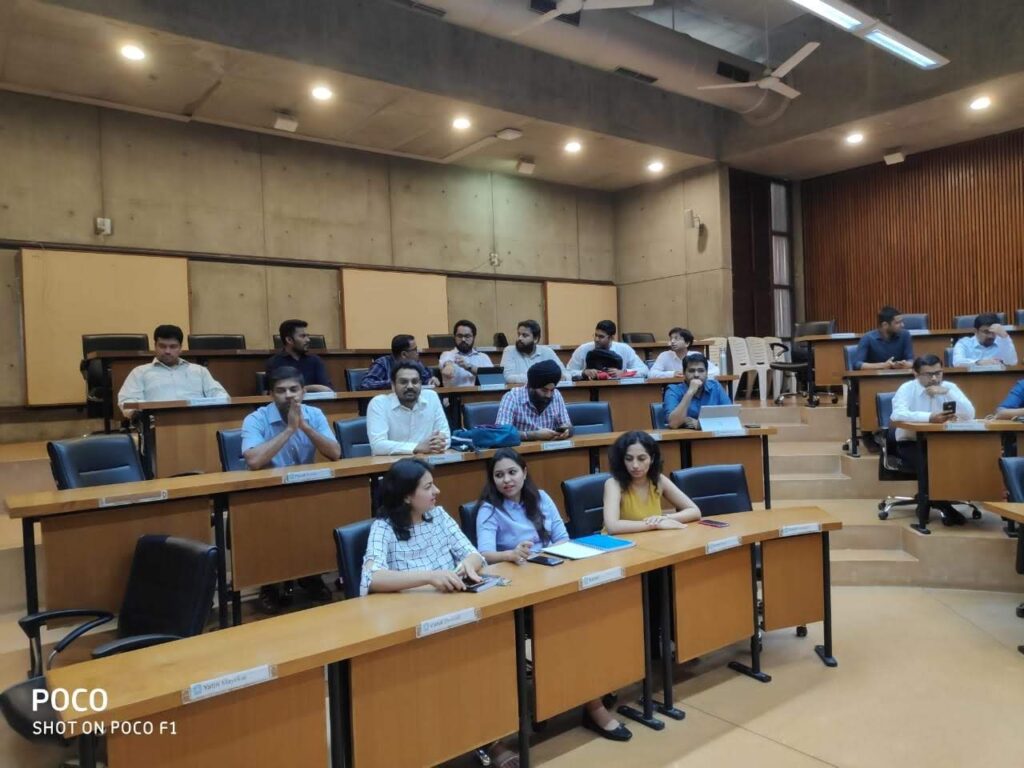
Serving on the committee meant working at the intersection of these expectations. It required sustained engagement with organisations, coordination with the institute’s placement team, and sensitivity to the aspirations of my peers. It demanded discretion, persistence, and the ability to remain focused on collective outcomes even when individual expectations and available opportunities did not align neatly.
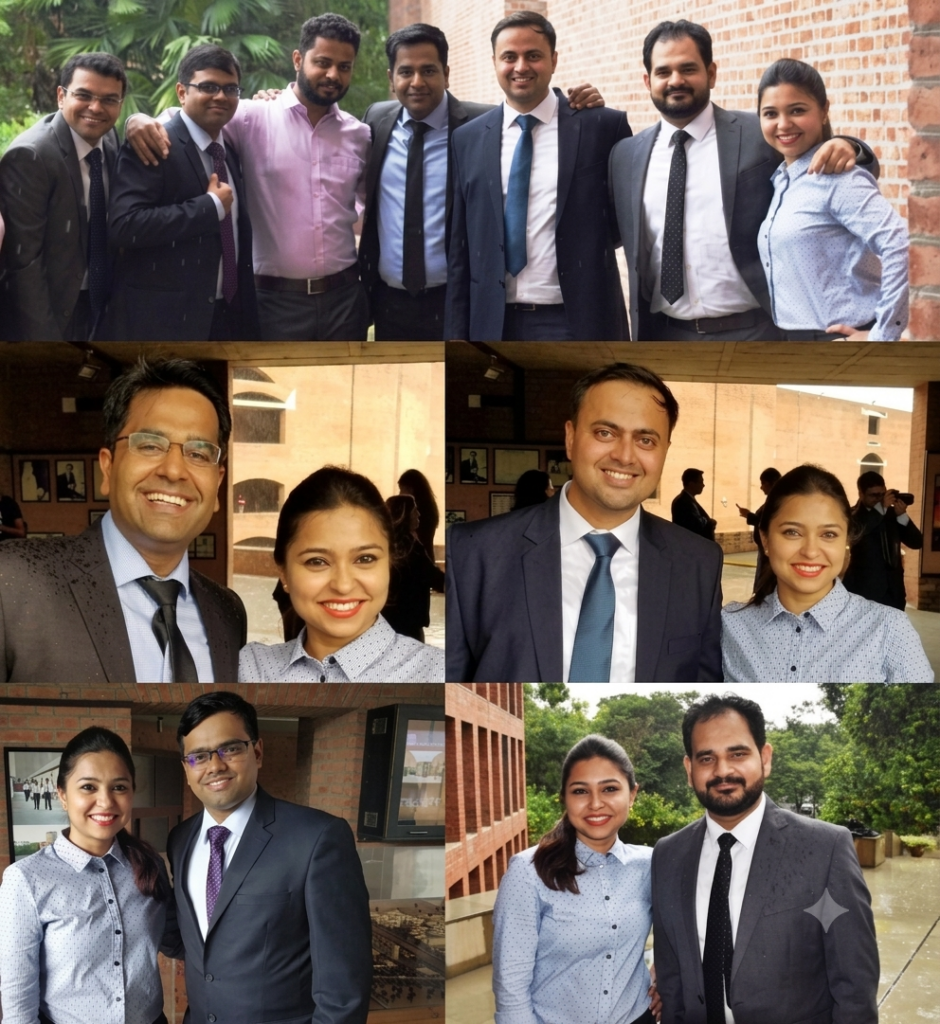
It became one of the most meaningful leadership experiences of my year. It reinforced that leadership is not only about advancing one’s own agenda. It is about accepting accountability for outcomes that affect others, earning credibility with multiple stakeholders, and contributing consistently when much of the work happens behind the scenes.
All this took place during an already demanding academic year. I was living on campus in Married Student Housing with my four-year-old son, while my spouse and father took turns supporting us.
I do not see this as a story of hardship or sacrifice. It reflects the environment IIMA made possible. The campus became a home for both of us. It gave my son a safe, open, and welcoming community in which he settled naturally, while allowing me to participate fully in the programme.
The rhythm of residential life meant that my responsibilities did not exist in completely separate worlds. I could move between the classroom, committee work, and home without feeling that one identity had to be suspended for another.
That experience strengthened an attribute that remains central to my leadership: the ability to hold multiple responsibilities without treating them as competing claims on one’s identity. It taught me to seek support without relinquishing ownership, remain dependable across roles, and bring the same seriousness of purpose to each.
The most visible impact of PGPX came immediately after graduation.
I moved from a decade of technical and delivery leadership into Genpact’s leadership cadre as Vice President of the AI Practice. This was not simply a change in organisation or designation. It was a fundamental shift in the nature of my role. I was no longer responsible only for delivering technology. I was responsible for building a capability.
That meant defining the practice’s direction, developing talent, forging partnerships, launching new client offerings, and creating market relevance. We scaled the capability fourfold. I subsequently became the Global AI Practice Leader for the Banking and Capital Markets client portfolio, bringing together technology, industry context, client strategy, and commercial ownership.
The business education at IIMA became real in those years. Strategy was no longer a classroom framework; it was deciding where to invest and which capabilities to build. Marketing meant positioning emerging offerings. Finance informed choices on scale, talent, and return. Organisational behaviour meant building teams, influencing stakeholders, and sustaining momentum through change.
The timing made the journey particularly significant. Over six years, I saw the AI market evolve from machine learning to generative AI and then agentic AI. Each shift required more than technical understanding. It demanded the ability to interpret the market, anticipate client needs, shape new propositions, and mobilise an organisation around emerging opportunities.
That is where my pre-MBA experience and the breadth gained at IIMA became a powerful combination. Accenture had given me a deep grounding in technology, delivery, clients, and global teams. PGPX gave me the business lens to convert that depth into enterprise impact.
It helped me move from understanding how technology works to asking more consequential questions: Where can it create business value? What capabilities must an organisation build? How should an offering be taken to market? How do we scale responsibly? How do we lead when both the technology and the client’s needs are evolving?
That journey ultimately prepared me for my current role as Associate Managing Director at Accenture. Six years later, I can see that PGPX did not replace my earlier experience. It amplified it. It helped me connect technical depth with commercial judgment, execution with strategy, and domain expertise with organisational leadership.
For experienced professionals, stepping away from work for a full-time MBA involves real professional, financial, and personal considerations. In my case, however, PGPX was not an interruption. It was the point at which the direction and scale of my journey changed.
The walls of IIMA certainly gave me knowledge. More importantly, they gave me the confidence and breadth to build, scale, and lead.
That has been the lasting value of my PGPX year.